Showing posts with label herbs. Show all posts

Monday, August 26, 2013

Two more reasons to take turmeric: It protects your heart, fights autoimmune disease

You may already have heard that turmeric is a potent anti-inflammatory and anti-cancer food, but did you know that it can also help protect your heart and fight autoimmune diseases?

In a study published in the journal Biological and Pharmaceutical Bulletin in 2011, researchers from Niigata University of Pharmacy and Applied Life Sciences in Japan found that three weeks of supplementation with the turmeric compound curcumin significantly improved cardiac health in male rats who had been given an injection to induce an autoimmune disease of the heart (autoimmune myocarditis). The rats supplemented with curcumin also showed a reduction in the area of the heart covered by inflammatory lesions and a reduction in the heart's weight-to-body-weight ratio.

"Our results indicate that curcumin has the potential to protect against cardiac inflammation through suppression of IL-1beta, TNF-alpha, GATA-4 and NF-kB expresses, and may provide a novel therapeutic strategy for autoimmune myocarditis," the researchers wrote.

Turmeric has the distinction of being both one of the most widely used culinary spices and traditional medicines in the world. Its benefits have been well studied by Western scientists, who attribute much of its disease-fighting prowess to a trio of naturally occurring yellow-orange chemicals called the curcuminoids (and sometimes known simply by the name of the most famous of them, curcumin).

As good for your heart as exercise

Turmeric is not just good for the hearts of people with autoimmune myocarditis; in fact, several studies conducted by researchers from the University of Tsukuba in Japan suggest that it may be as beneficial for your heart as aerobic exercise!

In a pair of studies published in the journals Artery Research and Nutrition Research in September and October 2012, respectively, the researchers found that women who took a curcumin supplement showed as much improvement in two measures of heart health (vascular endothelial function and arterial compliance) as women assigned to a moderate aerobic exercise training program. An even greater benefit was seen, of course, in those who took the supplements and engaged in the exercise program as well.

In another study, published in the American Journal of Hypertension in June 2012, the researchers found that a combined exercise and curcumin program significantly slowed age-related degeneration in the heart.

Turmeric battles hard-to-treat autoimmune conditions

Because turmeric is such a potent antioxidant and anti-inflammatory, numerous studies have been conducted to see whether it could be effective in reducing the severity of inflammation-based autoimmune diseases.

In autoimmune diseases, the body is attacked by its own immune system. These diseases are still poorly understood, and most of them have no known cause or cure. Common autoimmune diseases include type 1 diabetes, inflammatory bowel disease (including ulcerative colitis and Crohn's disease), rheumatoid arthritis, psoriasis, multiple sclerosis, myocarditis, thyroiditis, uveitis, systemic lupus erythromatosis and myasthenia. An estimated 5 percent of the world's population suffers from an autoimmune disease.

According to a research review published in the journal Advances in Experimental Medicine and Biology in 2007, curcumin has been shown to reduce the symptoms of inflammatory bowel disease, multiple sclerosis, rheumatoid arthritis and psoriasis in humans or animals. As expected, symptomatic relief comes, at least in part, from the regulation of inflammation pathways.

It should be noted that the body absorbs curcumin most effectively from turmeric root, rather than from supplements. In addition, the maximum benefit to nutraceuticals typically comes when they are consumed at low doses over a long period of time. Nevertheless, at least one trial suggests that daily curcumin doses of up to 8 g might be safe for up to four months or longer.

Most Recommended Turmeric Products:

New Chapter, Turmeric Force, 60 Softgels

Life Extension, Super BIO-Curcumin, 400 mg, 60 Veggie Caps

Saturday, August 24, 2013

Cat's Claw Treats Cancer and Many Other Illnesses

There is much talk about cat's claw and its healing properties used for the treatment of cancer, but cat's claw can be used in the treatment of many illnesses. It is not just for cancer, but it is also used in the treatment of asthma, arthritis, gastritis, hemorrhoids, inflammations of the urinary track, kidney detox, healing deep wounds and bone pain. It is also used since the 1990's for the treatment of cancer, ulcers, chronic inflammations, and viral diseases (such as herpes).

Cat's Claw is a plant of the Amazon rain forest. There are two main species and they are Uncaria tomentosa and Uncaria guianensis. In the US, you see mainly Uncaria tomentosa and in Europe you will see the Uncaria guianensis. The medicine is derived from the bark and the root of the plant. Several of the Mexican species have toxic properties. Cat's foot is not the same thing as cat's claw.

Cat's Claw and Alzheimer's Disease:

There are new studies being done on rats for the use of cat's claw on Alzheimer's Disease. The plant improves the immune system and prevents the deposit of beta-amyloid plagues on the brain. The tests showed that the mixture of cat's claw, rosemary and gotu kola worked better than cat's claw alone. The researchers are hoping to begin trials on humans in the near future, but the results on rats show promise for the prevention of Alzheimer's Disease.

Dosage for Cat's Claw:

Asthma - You must make a cat's claw tonic. Take 1/2 liter of water and 100 grams of cat's claw roots and bring to boil. Drink this water for one month.

Brain tumors - Place 250 ml of water and 1 tsp of cat's claw powder in a pan and bring to boil. Continue to boil for thirty minutes. Strain this mixture and drink the liquid. You must do this for six months before seeing a considerable improvement. This recipe can also be used for other forms of cancer also, except Leukemia which has reports of complications using Cat's Claw.

Note: It should be noted that it is suggested to use this in conjunction with other remedies, such as Nigella Sativa.

Intestinal disorders such as dysentery, ulcers and diverticulosis - Place one cup of water and 1 tablespoon of cat's claw powder and boil for 10-15 minutes. Strain the tea and drink three times a day.

Mumps - You must take 60mg of the extract, divided in three equal doses for ten days.

Osteoarthritis of the knee - You must take 100mg of cat's claw extract daily.

Rheumatoid arthritis - You must take 60mg per day. Divide the dose into three equal doses. If using the dried herbs, then take 100mg in vegetarian capsules. Expect results after 5 months.

Note: Please make sure the extract you are using contains no extra additives such as tetra cyclic oxindole alkaloids. These chemicals work against the natural compounds of cat's claw in the preventing of pain for rheumatoid arthritis.

Recipes Using Cat's Claw:

Tincture: Place 8 ounces of ground cat's claw along with 5 cups of vodka in a sealed jar and place the jar in a warm place. After three weeks, strain the liquor through some cheesecloth. This recipe may be reduced in half. This tincture is good for allergies and arthritis. Use 5 drops of the tincture, three times a day and increase slowly as needed. Never use more than 15 drops at a time.

Ointment: Take one cup of water and 2 teaspoon of the cat's claw powder. Bring it to boil and keep boiling until it turns brown. Strain the liquid and add an equal amount of coconut oil or virgin olive oil (not extra virgin). Place it back on the stove and heat again over medium heat. Boil it until it quits bubbling rapidly and bubbles no longer appear on the oil. Use this as an ointment for Herpes and any type of viral infections. Also good for pain of arthritis or cancer.

Cream: Use the same recipe above except add in some beeswax. For every cup of oil add in 1/2 ounce of beeswax. Heat over the flame and stir until thick and creamy. You could use cocoa butter instead of beeswax. The cream may be used as the ointment, directly on the skin.

Warnings About Using Cat's Claw:

Taking cat's claw for a short time has shown very little side effects. There could be headaches, dizziness and vomiting in some cases.

People who are pregnant, breast-feeding and have auto-immune diseases (MS, Lupus, HIV, Tuberculosis) should not take cat's claw.

Special Note: Cat's claw might make patients with Leukemia worst. If you have Leukemia, seek an alternative therapy such as Nigella Sativa.


http://www.umm.edu/altmed/articles/crohns-disease-000043.htm
http://www.naturalnews.com/027138_cancer_una_de_gato_cats_claw.html
http://www.rain-tree.com/catclaw.htm
http://enconcerto.wordpress.com/2009/01/07/herb-spotlight-cats-claw/
http://mamaherbs.com
http://webmd.com


Most Recommended Products:


Now Foods, Cat's Claw Extract, 120 Vcaps

Yerba Mate: South America's Health Drink

More than a drink, Yerba Mate (pronounced "yerba mahtay") has become a cultural phenomenon throughout South America and its use is rapidly spreading to the United State. Its benefits are obvious. In Buenos Aires, where people carry their Mate with them throughout the day, the sight of an obese person is rare.

Known to South Americans as the "Drink of the Gods", yerba mate is a hot beverage made from the dried leaves of the Ilex Paraguariense bush indigenous to Argentina, Brazil, Paraguay and Uruguay. And thanks to its caffeine-like content, the drink is a natural stimulant.

Yerba Mate has been used since ancient times as a tea, is recommended throughout South America for its rejuvenating, nutritional, and energizing effects, particularly for mental and physical fatigue. Yerba Mate can be taken as an effective weight-loss aid and scientific research shows Mate to be a powerful antioxidant and that it can protect DNA from double-strand breaks. It also has the ability to inhibit LDL oxidation. Mate naturally contains a wide range of polyphenols, methylxanthines, and chlorogenic acid, which together are responsible for its many health benefits.*

Traditionally steeped and served in a hollowed-out gourd and sipped through a metal straw designed to filter out stems and leaf bits, yerba mate was first consumed by the Guarani Indians centuries ago.

It is the national drink of Argentina, where drinkers of yerba mate (pronounced yair-ba mah-tay) are even more ubiquitous than coffee drinkers in the United States. It is not uncommon to see Argentines walking down the street sipping out of a mate gourd.

In recent years, its popularity has spread to the United States, where countless online vendors and teahouses, coffee shops and restaurants from Boston to Los Angeles are catering to an adapting palate. Those who drink it say they have turned to the beverage as an alternative pick-me-up with less caffeine and acidity than coffee and a host of supposed health benefits.

Many Americans may not like Yerba Mate the way Argentinians drink it - as it has an earthy and somewhat bitter taste. For that reason, many sellers in the U.S. are blending yerba mate with mint, vanilla, orange or other flavorings.

Web vendors claim the beverage, which contains a mix of vitamins and amino acids, can "boost immunity, restore youthful hair color, retard aging, combat fatigue, control the appetite and eliminate insomnia", and more - and research is tending to support many of those claims, such as finding Yerba Mate to have hypocholesteremic (cholesterol lowering), antioxidant, hepato protective (protecting the liver) properties and a bitter taste all of which are attributed to the phenolic constituents of the leaves.

Yerba Mate is packed with naturally-occurring nutrients and anti-oxidants and there are 196 volatile (or active) chemical compounds found in the Yerba Mate plant. Of those, 144 are also found in green tea. Yerba Mate contains 11 polyphenols. Polyphenols are a group of phytochemicals. Phytochemicals (phyto- meaning plant) are recently-discovered compounds that act as powerful antioxidants and are considered to exhibit anti-cancer effects in mammals by strengthening an organism`s natural defenses and protecting it against cellular destruction (i.e. lycopene in tomatoes, flavonoids in blueberries, and isoflavones in soy).

Yerba Mate has caffeoyl derivatives (caffeic acid, chlorogenic acid, 3,4-dicaffeoylquinic acid, 3,5-dicaffeoylquinic acid and 4,5-dicaffeoylquinic acid) and flavonoids (quercetin, rutin and kaempferol). In addition to polyphenols, Yerba Mate leaves contain saponins (In fact, one recent study yielded 3 new saponins in the Yerba Mate leaf!) Saponins are phytochemicals that have been found to specifically stimulate the immune system and aid the body in protecting against disease.

In 2005, researchers at the University of Illinois studied 25 different types of mate. They found the tea to contain "higher levels of antioxidants than green tea"... and, based on cell studies, "may help prevent oral cancer."

Each infusion of Mate contains:

* Vitamins - A, C, E, B1, B2, Niacin (B3), B5, B Complex

* Minerals - Calcium, Manganese, Iron, Selenium, Potassium, Magnesium, Phosphorus

* Additional Compounds - Fatty Acids, Chlorophyll, Flavonols, Polyphenols, Trace Minerals, Antioxidants, Pantothenic Acid and 15 Amino Acids.

According to Dr. Mowrey, Director of Mountainwest Institute of Herbal Sciences, one group of investigators from the Pasteur Institute and the Paris Scientific Society concluded that Yerba Mate contains "practically all of the vitamins necessary to sustain life". They focused especially on Pantothenic Acid, remarking that it is "rare to find a plant with so much of this significant and vital nutrient... It is indeed difficult to find a plant in any area of the world equal to Mate in nutritional value."

In addition, results from a study done by researchers at the University of Madrid assert a high content of mineral elements, especially K, Mg, and Mn, in Mate. They considered those findings "to be of great relevance" to the nutritional value of Mate infusions.

Yerba Mate Research:

Vascular responses to extractable fractions of Ilex paraguariensis -- yerba mate -- in rats fed standard and high-cholesterol diets.

Biol Res Nurs. 2005 Oct;7(2):146-56.

Programa de Pos-Graduacao em Ciencias Fisiologicas-Fisiologia Animal Comparada, Fundacao Universidade Federal do Rio Grande, Brazil.

The authors investigated the vasorelaxant properties of the aqueous and acid n-butanolic extractable fractions from yerba mate leaves. Perfusion pressure was evaluated using isolated and perfused mesenteric arterial beds (MABs) from rats fed hypercholesterolemic and standard diets. Extract-induced vasorelaxation in the presence and absence of various inhibitors was examined. These results suggest that yerba mate induces vasodilation in rats fed a standard diet in a dose-dependent manner and that the hypercholesterolemic diet substantially reduced the effect of yerba mate.

Naturally occurring proteasome inhibitors from mate tea (Ilex paraguayensis) serve as models for topical proteasome inhibitors. - J Invest Dermatol. 2005 Aug;125(2):207-12. Arbiser JL, Li XC,
Department of Dermatology, Emory University School of Medicine, Atlanta, Georgia 30322

Proteasome inhibitors have emerged as a clinically important therapy for neoplastic disease, with velcade, an organoboron compound used extensively in multiple myeloma. Recently, epigallocatechin gallate has been found to be a potent inhibitor of the proteasomal chymotrypsin-like activity. Other compounds that inhibit angiogenesis and are active as chemopreventive agents, such as curcumin, also inhibit proteasome activity. We have screened natural product extracts and found that extracts of yerba mate tea (Ilex paraguayensis) inhibit the growth of these endothelial cells. The extract was fractionated and found to have novel cinnamate esters that inhibit proteasome activity. Based upon these findings, preclinical and clinical trials of topical cinnamate esters as proteasome inhibitors are warranted for psoriasis and other inflammatory disorders.

Ilex paraguariensis -- Yerba Mate -- extracts inhibit AGE formation more efficiently than green tea. - Fitoterapia. 2005 Jul;76(5):419-27. Lunceford N, Gugliucci A.

Glycation, Oxidation and Disease Laboratory, Division of Basic Medical Sciences, Touro University-California, Mare Island, Vallejo, CA

Glycation, the nonenzymatic adduct formation between sugar dicarbonyls and proteins, is one key molecular basis of diabetic complications due to hyperglycemia. Given the link between glycation and oxidation, we hypothesized that herbal extracts with a high concentration of antioxidant phenolics might possess significant in vitro antiglycation activities as well. The aim of the present study was to address the hypothesis that polyphenol-rich yerba mate extracts are capable of inhibiting advanced glycation end-products (AGEs) formation and to compare the potency of these extracts with green tea and with the standard antiglycation agent aminoguanidine. Taken together our results demonstrate a significant, dose-dependent effect of water extracts of yerba mate on AGE adducts formation on a protein model in vitro, whereas green tea displays no significant effect. The inhibition of AGE formation was comparable to that obtained by using millimolar concentrations of the standard antiglycation agent aminoguanidine.

Cardioprotective effects of Ilex paraguariensis (yerba mate) extract: evidence for a nitric oxide-dependent mechanism. - Clin Nutr. 2005 Jun;24(3):360-6. Schinella G, Fantinelli JC, Mosca SM -- Catedra de Farmacologia, Facultad de Ciencias Medicas, Universidad Nacional de La Plata, CIC, La Plata 1900, Buenos Aires, Argentina.

To examine the effects of a yerba mate extract on post-ischemic alterations derived from 20 minutes of global ischemia and 30 minutes of reperfusion. Methods: Isolated rat hearts were treated 10 minutes before ischemia and the first 10 minutes of reperfusion with yerba mate 30 microg/ml. In other hearts, chelerythrine (1 microM), a protein kinase C blocker, or l(G)-nitro l-arginine methyl ester (l-NAME), a nitric oxide synthase inhibitor, were administered prior to yerba mate infusion. Conclusions: These data are the first demonstration that yerba mate extract attenuates the myocardial dysfunction provoked by ischemia and reperfusion and that this cardioprotection involves a diminution of oxidative damage through a nitric oxide-dependent mechanism.

Antioxidant activity of a botanical extract preparation of Ilex paraguariensis (yerba mate): prevention of DNA double-strand breaks in Saccharomyces cerevisiae and human low-density lipoprotein oxidation. - J Altern Complement Med. 2003 Jun;9(3):379-87

We analyzed the antioxidant properties of Ilex paraguariensis infusion popularly known as yerba mate, by using two experimental models: the induction of DNA double-strand breaks (DSB) by hydrogen peroxide (H(2)O(2)) and lethality in Saccharomyces cerevisiae, as well as peroxide and lipoxygenase-induced human low-density lipoprotein (LDL) oxidation. Conclusions: Yerba mate is thus a rich source of polyphenols and has antioxidant properties comparable to those of green tea which merit further in vivo intervention and cross-sectional studies.

Yerba Mate Side Effects

Side effects similar to caffeine excess are possible from drinking too much yerba mate tea or taking too high a dose of yerba mate supplements.

Sources for this article included:

Columbia University
Dr. Ray Sahelian
No Borders
www.Goyerbamate.com
www.Yerbamate.com

Most Recommended Mate Products:

Thursday, July 11, 2013

Scientists call resveratrol a 'miracle molecule'

A recent study presented at the National Meeting & Exposition of the American Chemical Society (ACS) has found that resveratrol, a nutrient compound found in grape skins, blueberries, and red wine, can improve motor coordination and help prevent falls among the elderly. And in presenting the findings, researchers dubbed resveratrol a "miracle molecule," presumably because of its many other known health benefits.

Conducted by Jane Cavanaugh, an assistant professor of pharmacology at Duquesne University in Pittsburgh, Pennsylvania, and her colleague, the study found that laboratory mice given resveratrol as part of their normal diet maintained better movement coordination as they aged compared to other mice. The resveratrol mice also experienced less degradation in their nerve tissues compared to other mice, which helped them effectively thwart many of the negative effects of aging.

Cavanaugh's assistant Erika Allen, a graduate student, fed both young and old mice a diet containing resveratrol for eight weeks. She also compared each mouse's ability, both before and after the resveratrol regimen, to cross a steel mesh balance beam, reportedly documenting and analyzing each stumble or misstep along the way.

By the fourth week, she and Cavanaugh began observing that older mice who had trouble crossing the balance beam at the start of the study were experiencing dramatic improvements as a result of taking resveratrol. These older mice, in fact, were already effectively able to keep up with the younger mice a mere halfway into the study, a remarkable observation.

Additionally, mice taking resveratrol experienced less neural cell death than other mice, indicating that resveratrol somehow blocks the cell death that is normally induced by the neurotransmitter dopamine as a result of stress. Taking resveratrol, in other words, has the potential to block stress-induced aging, as well as protect nerve cells from being damaged or killed.

"We believe that resveratrol is either removing the byproducts of dopamine metabolism, which are harmful to neural cells, or increasing resistance in the cells themselves," said Cavanaugh to Wine Spectator about her findings, noting that the dose of resveratrol needed in humans to potentially achieve similar results would be the equivalent of drinking roughly 700 glasses of red wine a day.

Resveratrol shown to treat, cure diabetes

In another amazing study recently published in the journal Nutrition Research, researchers out of India found that resveratrol also helps fight and even cure type-2 diabetes by normalizing hemoglobin levels in the blood. Compared to diabetics receiving only oral hypoglycemic drugs, diabetics taking 250 milligrams (mg) daily of a specific brand of resveratrol for three months experienced dramatically improved blood sugar levels.

These same trial patients reportedly experienced both lowered blood pressure levels and improved blood cholesterol levels as a result of taking resveratrol, which confirms what numerous other studies in years past have found concerning the nutrient's incredible ability to fight chronic inflammation; improve cognitive function; promote longevity; boost heart health; and target disease-causing free radicals, among other benefits.

"Oral supplementation of resveratrol is thus found to be effective in improving glycemic control and may possibly provide a potential adjuvant for the treatment and management of diabetes," wrote the authors of the Indian study in their review.


Most Recommended Resveratrol Products:

Country Life, Gluten Free, Resveratrol Plus, 120 Veggie Caps

Life Extension, Optimized Resveratrol with Synergistic Grape-Berry Actives, 250 mg, 60 Veggie Caps

Wednesday, July 10, 2013

Oregano is a healing herb and natural anti-biotic

Oregano is a wonderful, aromatic herb that is native to the Mediterranean. It is thought to have originated in the mountainous regions of Greece, Turkey and Italy. It was named by the Ancient Greeks "Mountain Joy." Oregano is one of the most powerful healing herbs and natural anti-biotics ever studied.

Oregano has a warming and aromatic flavor to it. It can be very hot and bitter at times when it is picked fresh. The bite usually wanes as it is dried. Oregano became a staple of Italian-American foods. American soldiers who were stationed in Europe during World War II brought oregano back as the "pizza herb." It was soon used in more popularity in pastas, grilled/roasted veggies, meat & fish. It is also popularly used in meat marinates and salad dressings.

Oregano Oil is an extraordinarily powerful natural anti-biotic. Oregano has been found in a recent study to be significantly better than all of the 18 currently used anti-biotics in the treatment of MRSA staph infections. The strong phenol anti-oxidants destroy pathogenic bacteria, viruses and yeasts.

Incredible anti-oxidant capacity

This super herb is very rich in anti-oxidant phytochemical flavonoids and phenolic acids. It is the third highest herb in oxygen radical absorbancy capacity (ORAC) with an impressive score of 200,129. Oregano is one of the world's greatest sources of the powerful phenol component thymol. Thymol is great for improving digestive function as well as destroying harmful microbes.

The USDA ranks oregano's antioxidant capacity anywhere from 3 to 20 times higher than any other herb. Oregano has four times the antioxidant power of blueberries, 12 times that of oranges and 42 times greater than apples.

Oregano oil has been classically used as a disinfectant, an aid for ear, nose, & throat/respiratory infections, candida, and any sort of bacterial or viral conditions. Additionally, it works to suppress inflammatory mediators and cancer cell production. Oregano oil is more potent than the dried herb; however, the dried version still contains many powerful health benefits.

Studies have shown that carvacrol, a phenol anti-oxidant within oregano has powerful anti-inflammatory and anti-microbial activity when applied to food or taken in supplement form. Oregano also contains rosmarinic acid which has very strong cancer fighting properties.

Use dried oregano on vegetables, meat dishes and salads. Oregano oil can be used as an aromatic essential oil and/or as a medicinal. Simply put a dash behind your ear and a dash on your neck. Strong oregano oil may burn a little but will wear down in a few seconds. One could also ingest oregano oil - 1-5 small drops in a glass of water as it is particularly strong.


Most Recommended Oregano Products:


Saturday, June 29, 2013

Lutein boosts eye health, preventing cataracts and macular degeneration

Fruits and vegetables have yet another disease-fighting weapon to offer you: Lutein. Studies show this carotenoid prevents and, to some extent, reverses vision loss, immune system problems, cancer and cardiovascular disease. With that in mind, load up your plate with foods high in lutein -- carrots, corn, kale, spinach, Swiss chard, collard, mustard greens, red peppers, dill, parsley, romaine lettuce, tomatoes, potatoes and red, blue and purple fruits -- and read all about what this amazing plant nutrient will do for your body.

Is your vision blurry? I know mine is after sitting in front of the computer for a while. In that case, you and I need to eat more lutein-rich foods, according to Drs. Michael R. and Marc R. Rose. In their book, Save Your Sight, they write, "A few weeks after consuming more lutein-rich foods or lutein supplements, some normal-sighted people report less glare, improved color vision and sharper vision." Theory suggests that lutein and its companion carotenoid zeaxanthin may save our sight by acting "as a shield or filter that helps to absorb harmful UVB light and dangerous free-radical molecules, both of which threaten the retinal tissue," according to Life Extension Foundation's Disease Prevention and Treatment.

Though everyone's sight could benefit from a diet high in lutein, it can literally save the sight of those who have family histories of macular degeneration and other vision loss problems. If someone in your family has experienced loss of sight in old age, then your high-lutein diet should start long before you reach middle age. In a Harvard University-based study, women with diets high in lutein and zeaxanthin experienced a 22 percent reduced risk of cataracts, while men reduced their risk by 19 percent, according to Reader's Digest's Fight Back with Food.

Based on a study described by Laurie Deutsch Mozian in her book, Foods that Fight Disease, a dietary intake of only six milligrams of lutein per day decreases your chances of developing age-related macular degeneration by 43 percent. For that reason, in Bill Gottlieb's Alternative Cures, Dr. Mark Grossman of the Integral Health Center in Rye and New Paltz, New York, advises, "Everyone over the age of 50 should be taking lutein supplements." However, if you are already experiencing macular degeneration or other vision problems, a high-lutein diet can still help you save your sight by increasing the density of your macular pigment. "Macular degeneration may be stabilized or reversed with nutritional intervention," says Dr. Grossman. He later goes on to say, "By far, it's (lutein) the number one nutritional treatment for the disease."

Not only will lutein save your sight, it may also boost your immune system and, accordingly, prevent cancer. "Healthy people seeking to boost overall immune function should consider consuming 5,000 IU of beta-carotene daily, along with other carotenoids, such as lycopene and lutein," writes the Life Extension Foundation. By boosting your immunity, lutein decreases your chances of getting cancer, since development of cancer as a disease is associated with immune system impairment. I know you've probably heard this a million times, but just in case you haven't, I'll say it again: We all have cancer cells. Cancer cells develop in our bodies all the time, but our immune systems normally remove the malignant cells before they can develop into the symptoms we call cancer. In addition to boosting your immune system, lutein may also fight cancer by both protecting your cells from free radical damage and increasing cell-to-cell communication, thus preventing them from turning malignant.

However lutein prevents cancer, we know it works. According to Professor Ralph Moss' book, Antioxidants against Cancer, more than 250 scientific papers demonstrate lutein's potential as an anti-cancer agent. In a study described in Mark Stengler's Natural Physician's Healing Therapies, people with high-lutein diets at any age decreased their chances of developing colon cancer by 17 percent; furthermore, young people with high-lutein diets decreased their chances by 34 percent. Studies show that a diet high in lutein will also decrease your chances of other cancers, including cancers of the lung and breast. According to a study reported in Disease Prevention and Treatment, women who have low levels of lutein have a 2.08-fold increased risk of breast cancer, so not eating enough lutein-rich foods can actually harm you.

In this age of fast food and junk food, cardiovascular disease is more prevalent than ever. Instead of eating french fries as our vegetables, we should be eating more lutein-rich foods. The Life Extension Foundation reports the results in one study, in which participants with the highest blood levels of lutein showed virtually no arterial wall thickening. "This was a good sign that the bad LDL cholesterol had not oxidized inside them and formed the dangerous plaque that can lead to heart attacks," the editors of FC&A Medical Publishing conclude from the results of the same study. High-lutein diets can even decrease smokers' odds of developing cardiovascular disease, according to a study Selena Yeager describes in her book, New Foods For Healing. In this study of 1,900 men, smokers with high lutein levels in their blood experienced 25 percent fewer heart attacks than those with low lutein levels.

It's easy to add more lutein to your diet because it's found in so many foods. Just refer back to the list you read above. Moreover, "lutein is five times more readily available from vegetables than beta-carotene," writes Professor Moss. Just adding a few more fruits and vegetables to your plate each day may save your sight, boost your immune system, prevent you from developing cancer and reduce your chances of having a heart attack. It's so easy to be so healthy.


The experts speak on lutein and its health benefits:


Other useful nutrients for ensuring vision health are the carotenoids lutein, lycopene, and zeaxanthin. Food sources of lutein: kale, collard and mustard greens, spinach, Swiss chard, red peppers, parsley, romaine lettuce, dill, celery, carrots, corn, tomatoes, potatoes, and red, blue, and purple fruits...
Alternative Medicine by Burton Goldberg, page 946

… Even though cooking any food reduces the amount of lutein … will absorb more of that protective substance if you add a little bit of fat when cooking. … use olive oil instead of animal fats.
Eat and Heal by the Editors of FC&A Medical Publishing, page 229
Lutein and vision-health benefits

A few weeks after consuming more lutein-rich foods or lutein supplements, some normal-sighted people report less glare, improved color vision, and sharper vision.
Save Your Sight by Marc R Rose MD and Michael R Rose MD, page 73

A study conducted by researchers at Harvard University showed that women with the highest intake of dietary lutein (and its companion carotenoid, zeaxanthin) had a 22% reduced risk for cataracts, while men reduced their risk by 19%.
Fight Back With Food by Readers Digest, page 73

… The study showed that a daily intake of 6 milligrams of lutein was associated with a 43-percent lower incidence of age-related macular degeneration.
Foods That Fight Disease by Laurie Deutsch Mozian MS RD, page 122

"Everyone over the age of 50 should be taking lutein supplements," Dr. Grossman says. That's because many scientific studies have shown that regular intake of the nutrient, which is a pigment found in leafy green vegetables such as kale, collard greens, and spinach, can prevent macular degeneration, he says.
Alternative Cures by Bill Gottlieb, page 428

… "Macular degeneration may be stabilized or reversed with nutritional intervention," says Marc Grossman, O.D., an optometrist, licensed acupuncturist, and codirector of the Integral Health Center in Rye and New Paltz, New York. And the single most important nutrient to prevent or treat it is lutein.
Alternative Cures by Bill Gottlieb, page 428

Besides preventing the condition, lutein may be able to stop or even reverse existing macular degeneration by increasing the density of the macula pigment. "By far, it's the number one nutritional treatment for the disease," Dr. Grossman says.
Alternative Cures by Bill Gottlieb, page 428

lutein … WithZeaxanthin forms eye macular pigment in the retina cavity, protects against Aging Macular Degeneration of the eye (AMD), the main cause of blindness after age 40 (usewithBilberry).
Anti-Aging Manual by Joseph B Marion, page 50

… lutein … zeaxanthin … Together, these two carotenoids help protect various delicate tissues from free radical damage. lutein even beats beta-carotene at protecting fats inside eye cells from such damage.
Antioxidants Against Cancer by Ralph Moss PhD, page 36

… The fact that lutein and zeaxanthin are particularly concentrated in these parts of the eye suggests that they may act as a shield or filter that helps to absorb harmful UVB light and dangerous free-radical molecules, both of which threaten the retinal tissue …
Disease Prevention And Treatment by Life Extension Foundation, page 1368
Lutein and immune system function in general

… Healthy people seeking to boost overall immune function should consider consuming 5000 IU of beta-carotene daily, along with other carotenoids, such as lycopene and lutein.
Disease Prevention And Treatment by Life Extension Foundation, page 901

… When plasma levels were measured for all antioxidant micronutrients in persons with HIV and in controls, it was observed that these patients showed a significant depletion of all carotenoids (lutein, lycopene, alpha-carotene, etc.) and vitamin C. …
Disease Prevention And Treatment by Life Extension Foundation, page 901
Lutein as an anti-cancer agent

… A family of nutrients called lutein and zeaxanthin…. They're antioxidants, which means that they have the ability to neutralize harmful free radicals. In this way, antioxidants safeguard the maculae against free-radical damage.
Blended Medicine by Michael Castleman, page 19

… lutein in spinach prevents normal cells from converting to abnormal cells by improving cell-to-cell communication. …
The Origin Diet by Elizabeth Somer, page 71

"Lutein and lycopene possess exceptionally high antioxidant capacity compared to other carotenoids and may be useful in preventing cancer," said Dr. Fred Khachik, a chemist with the U.S. Department of Agriculture. lutein promotes healthy immunity and decreases the growth of cancer. There are already over 250 scientific papers referring to lutein's potential as an anticancer agent. And lutein is five times more readily available from vegetables than beta-carotene.
Antioxidants Against Cancer by Ralph Moss PhD, page 36

A recent study showed that high-lutein diets were associated with a 17 percent decrease in colon cancer risk, and young people with a diet high in lutein had a 34 percent lower risk of colon cancer.
Natural Physicians Healing Therapies by Mark Stengler ND, page 91

… Eating a lutein-rich diet cut colon cancer risk by 17%. …Theory: lutein protects colon cells from damage caused by highly reactive compounds called free radicals. Good sources of lutein include tomatoes, carrots, oranges, broccoli, kale, Romaine lettuce and spinach.
Bottom Line Yearbook 2002 by Bottom Line Personnel, page 305

At Japan's National Cancer Center Research Institute in Tokyo, scientists showed that lutein protects against the formation of colon cancer, as measured by the number of pre-cancers per mouse. (203,308)
Antioxidants Against Cancer by Ralph Moss PhD, page 36

…Selenium, lycopene, lutein, and glutathione have been associated with a reduced risk of lung cancer. …
Prescription For Nutritional Healing by Phyllis A Balch CNC and James F Balch MD, page 258

… The risk of breast cancer associated with low levels of other carotenoids was similar, that is, a 2.08-fold increased risk if lutein is deficient … Analysis showed that lycopene was associated with decreased breast cancer risk in postmenopausal women, but in premenopausal women, lutein offered greater protection (Hulten et al. 2001).
Disease Prevention And Treatment by Life Extension Foundation, page 220

Lutein has many beneficial effects in experimental animals. It increases the time until the tumor appears, suppresses the growth of breast tumors, and also enhances the growth of normal white blood cells. (340) What was particularly exciting was that very low amounts of lutein, comprising no more than two-thousands of the overall diet by weight, "can efficiently decrease mammary [breast] tumor development and growth in mice." (341)
Antioxidants Against Cancer by Ralph Moss PhD, page 36
Lutein and cardiovascular health

For example, individuals participating in the Toulouse study who had higher blood levels of lutein also had a lower incidence of coronary artery disease … Participants with the highest blood levels of lutein showed virtually no artery wall thickening, while those with the lowest lutein levels showed increased arterial thickness. In addition, lutein reduces the oxidation of LDL cholesterol…
Disease Prevention And Treatment by Life Extension Foundation, page 466

The study followed 480 middle-aged men and women for 18 months. During that time, those who had the most lutein in their bloodstream had almost no increase in the thickness of their carotid (neck) arteries. This was a good sign that the bad LDL cholesterol had not oxidized inside them and formed the dangerous plaque that can lead to heart attacks. Results of two other parts of the study, one done in the lab with human tissue and the other with mice, supported the findings of the first.
The Folk Remedy Encyclopedia by the Editors of FC&A Medical Publishing, page 184

In a study of almost 1,900 men, Dr. Morris and his colleagues found that men who had the most carotenoids in their blood—not just beta-carotene but also such things as lutein and zeaxanthin—had 72 percent fewer heart attacks than those with the lowest levels. Even smokers, …who got the most of these protective compounds had 25 percent fewer heart attacks than those who got the least.
New Foods For Healing by Selene Yeager, page 517

Dr. James Dwyer, who led this research, recommends eating plenty of lutein-rich foods to keep your arteries clear. "A diet rich in vegetables, including the dark green leafy variety," he says, "will provide sufficient lutein to achieve the levels of persons in our study."
The Folk Remedy Encyclopedia by the Editors of FC&A Medical Publishing, page 184

Lutein may also offer protection against lung infections and osteoarthritis

… Thirdly, certain plant alcohols in the leaves (notably xanthophyll or lutein) disinfect the lungs, making it much harder for the bacilli to remain there.
Heinerman's Encyclopedia of Healing Juices by John Heinerman, page 117

Other antioxidants — beta cryptoxanthine, lutein, and lycopene — appeared to lower the chances of getting OA of the knee by 30 to 40 percent, Jordan says. These phytochemicals, which are common in orange and green vegetables and tomatoes, put you ahead of the game when it comes to arthritis protection.
The Folk Remedy Encyclopedia by the Editors of FC&A Medical Publishing, page 256


Most Recommeded Lutein Products:


Jarrow Formulas, Lutein, 20 mg, 60 Softgels

Doctor's Best, Best Free Lutein, 20 mg, 60 Softgels


Tuesday, June 25, 2013

Four reasons to add chlorella to your diet today

Chlorella is a green algae that is considered to be one of the most powerful superfoods known to man. Chlorella contains vasts amount of chlorophyll within its cell walls. The cell walls of chlorella are tough and indigestible, so many chlorella producers break the cell walls before selling the product. Broken cell chlorella releases the nutrients inside the cell walls so the human body can use them. Besides being possibly the richest source of chlorophyll on Earth, chlorella is also very high in plant protein. Chlorella contains fifty-eight grams of protein per one hundred grams of weight. By comparison, beef and chicken have twenty-four to twenty-eight grams of protein per one hundred grams of weight. Chlorella is a pain reliever, reduces hypertension, enhances the immune system in some cases, and chelates heavy metals.

Chlorella has been found to reduce pain

In 2000, a pilot study was conducted in which fibromyalgia patients consumed 10g of a commercially available chlorella tablet and 100mL of chlorella in liquid form. Symptoms were measured at the beginning of the trial, and again after one and two months of treatment with chlorella. After two months on chlorella, the fibromyalgia patients reported a significant 22% reduction in pain and tenderness. One-third of the patients believed their health was better after taking chlorella. Scientists involved with this study stated that a full double-blind, placebo-controlled clinical trial was warranted.

Chlorella reduces or stabilizes blood pressure, even when medication is stopped

In another clinical study, patients with hypertension were given 10g chlorella tablets and 100 mL chlorella extract for two months. Patients were taken off all blood pressure medications, then treated with chlorella. One-fourth of the patients saw a decrease in blood pressure after taking chlorella for two months. The other three-fourths did not see a rise in blood pressure, despite being taken off their blood pressure medication.

Chlorella enhances the immune system after flu shots in some adults

In a clinical trial performed in 2003, patients who had received flu shots were given chlorella to see if the algae improved immune system function. The subjects, all over the age of fifty, took either a placebo or chlorella for three weeks before being injected with a flu vaccine. At one week and three weeks after receiving the flu shots, patients between the ages of fifty and fifty-five who had been taking chlorella had two to four times more antibodies than the placebo group. Results were insignificant for older adults in the study.

Chlorella has potential as a heavy metal chelator

A study involving rats showed the potential chlorella has for counteracting heavy metal poisoning in humans. Male rats were given cadmium chloride, a toxic metal compound used in yellow dye and photocopying. Some rats were also fed chlorella powder, while other rats were used as the control group. Cadmium was found in the bloodstream, liver, kidneys, and small intestines of the rats. However, there was a remarkable increase in cadmium in the urine and feces of the chlorella-fed rats. In addition, tissue damage was less in the chlorella group. The research group concluded that chlorella can be considered an appropriate counteragent for heavy metal poisoning.

Sources for this article include:

Pubmed.gov. "Nutritional Supplementation With Chlorella pyrenoidosa for Patients With Fibromyalgia Syndrome: a Pilot Study," R.E. Merchant, et al. Phytotherapy Research: PTR May 2000 14(3); 167-73. http://www.ncbi.nlm.nih.gov/pubmed/10815009

Pubmed.gov. "Nutritional Supplementation With Chlorella pyrenoidosa for Mild to Moderate Hypertension," R.E. Merchant, et al. Journal of Medicinal Food Fall 2002 5(3); 141-52. http://www.ncbi.nlm.nih.gov/pubmed/12495586

Pubmed.gov. "Safety and Immunoenhancing Effect of a Chlorella-derived Dietary Supplement in Healthy Adults Undergoing Influenza Vaccination: Randomized, Double-blind, Placebo-controlled Trial," S.A. Halperin, et al. CMAJ: Canadian Medical Association Journal July 22, 2003 169(2); 111-7. http://www.ncbi.nlm.nih.gov/pubmed/12874157

Pubmed.gov. "Effect of Chlorella Intake on Cadmium Metabolism in Rats," J.A. Shim, et al. Nutrition Research and Practice Spring 2009 3(1); 15-22. http://www.ncbi.nlm.nih.gov/pubmed/20016697


Most Recommended Chlorella Products:

Jarrow Formulas, Yaeyama Chlorella, 1 Kilogram Powder (1000 g)

Source Naturals, Yaeyama Chlorella, 200 mg, 600 Tablets

Monday, June 24, 2013

Elderberry Flu Protection

News reports about the H1N1 and seasonal flu rarely mention alternative remedies that may shield one from influenza or possibly hasten recovery from it. The official reason for this is because such natural options rarely have sufficient proof of efficacy and safety data. The trouble with that explanation is that when new studies on alternative remedies are published, they frequently go unnoticed by conventional physicians and media outlets.


A brand new study on a “proprietary elderberry extract” was just published in the Online Journal of Pharmacology and PharmacoKinetics. It involved 64 participants during the spring 2009 flu season. The common link among all of the study volunteers was that they were diagnosed with the flu and began treatment with elderberry (or a placebo) within 24 hours of the illness. The men and women, ages ranging from 16 – 60, exhibited at least three of the following symptoms: coughing, fever, headache, muscle ache, nasal congestion and discharge. Each patient filled out a standardized questionnaire (“Visual Analogue Scale”) that measured the severity of these symptoms.

The flu sufferers were then split into two groups. Half were given 2 lozenges containing 175 mg elderberry extract daily for two days. The remainder were asked to take an identical looking placebo in the exact same manner. Here are the results reported after 48 hours of treatment:

  • 28% of the elderberry group was symptom free after two days.
  • 60% of those on the elderberry lozenges showed significant symptomatic improvement with only 1-2 mild symptoms remaining.
  • 16% demonstrated “symptom improvement to a lesser degree”. No prolongation of disease or worsening of flu characteristics were noted.

None of the patients in the placebo group achieved “complete recovery” during the treatment period. Only 16% of the placebo participants reported reductions in one or more flu symptoms. The majority of those receiving the placebo rated their symptoms as being the same or worse than at the start of the trial. No side effects were found in the elderberry or placebo groups. (1)

Another trial was recently presented in the September 30th issue of the Journal of Nutrition. It addresses the issue of safety in long term elderberry use in humans. 52 women (26 receiving elderberry and 26 given a placebo) took part in the experiment. A relatively high dose of elderberry anthocyanins (500 mg daily) was used to establish any changes in cardiovascular, kidney or liver health over the course of 12 weeks. No significant alterations in heart, kidney or liver function were detected. The authors of the trial concluded that “chronic consumption of 500mg/d of elderberry extract for 12 wk is apparently safe”. (2)

As a side note, it’s recently been established that black elderberry (Sambucus nigra) can bind to and prevent infection from the H1N1 virus in a laboratory setting. It’s important to point out that this is highly preliminary evidence. This experiment was conducted in test tubes and not in the human body. However, it’s still encouraging because the results suggest that “elderberry flavonoids compare favorably to the known anti-influenza activities of Oseltamivir (Tamiflu) and Amantadine“. This leaves the door open to the possibility that elderberry components may day be useful as an alternative to conventional antiviral drugs. (3)

H1N1 and Seasonal Flu Guidelines


The current research on black elderberry was likely prompted by encouraging studies that span over the last 15 years. Some of those pilot trials indicate that S. nigra can reduce the duration of flu symptoms by up to 4 days. The mechanism by which elderberry combats influenza has also been examined. The mode of action appears to be quite complex and involves a selective anti-inflammatory and pro-inflammatory effect that ultimately stimulates the immune system. In addition, components within elderberry (lectins) seem to directly bind to the surface of virus cells and thereby render them inactive. (4,5,6,7)

Elderberry isn’t so much a natural medicine but, rather, a medicinal food. It’s reputation continues to grow and may one day be associated with flu protection much like cranberry is linked to the management of urinary tract infections. But in order for that to happen, we need to spread the word about these new scientific findings. In most doctors’ offices around the world, food is simply not considered medicine. That’s why at this time, your physician is unlikely to write a prescription for elderberry during the flu season. However, that may change if we take the time to share some of the more obscure studies that our medical team may not even know about. This is one significant way in which we can all contribute to the betterment of modern medicine.


Most Recommended Elderberry Products:

Nature's Way, Sambucus, Black Elderberry, Original Syrup, 8 fl oz (240 ml)

Nature's Way, Sambucus Black Elderberry, Original Lozenges, 30 Lozenges

Sunday, June 23, 2013

Noni Juice - The Fruit of Life?

Morinda citrifolia, or Noni, is a knobbly fruit widespread in tropical countries from Tahiti through Asia and back to Hawaii. In the Caribbean it is called ´dog dumpling´, but this sounds a lot less appetising! It can be eaten as the natural fruit but is more widely consumed in liquid form.

Noni contains a number of enzymes and alkaloids in quite large quantities. It would appear from several research studies to have four possible benefits:

Firstly, it directly stimulates the immune system increasing the production of both B - and T-lymphocytes. Furthermore, Noni contains pro-Xeronine, which can be converted to Xeronine by natural enzymatic action in the body´s tissues. Xeronine, produces a strong immune response to cancer cells in laboratory experiments.

Secondly, it appears to inhibit tumour development. Research conducted by Drs. Hirazumi and Furasawa at the Department of Pharmacology in the University of Hawaii, showed conclusively that the high polysaccharide content of Noni inhibits tumours in mice. Bromelain, an alkaloid and enzyme also found in pineapples and used in some dietary cancer therapies, is found in high levels in Noni and it is known to weaken the walls of cancer cells. The undoubted strength of Noni lies in this multi-polysaccharide, alkaloid and high phytochemical content. Dr DL. Davis, the senior science advisor to the US Public Health Service is very clear that, "phytochemicals can take tumours and diffuse them". Thirdly, Noni helps regulate cell function and cell regeneration. Dr Neil Solomon MD, PhD. conducted research with mice and showed that those fed Noni live live 123% longer than normal.

Noni is a knobbly fruit widespread in tropical countries

He believes this is due to Noni enhancing the body´s natural healing processes and balancing the body´s pH. Noni, in its concentrated form, provides a strong residue of alkaline ash in the body when consumed. This would serve most people well as their normal Western lifestyle and diet produces an acid body. A slightly alkaline pH is essential for the peak efficiency of the cellular biochemistry, and for the effective functioning of the immune system.

At CANCERactive, do we believe Noni is a cancer ´cure´? No. We believe it may have some polysaccharide benefits, may improve the immune system and so on. But, how much of the fruit´s natural ingredients remain once it has been pasteurised and put in a bottle we cannot tell.

If you are thinking of buying Noni juice you might like to look at the Natural Selection Product of Choice. You can do this by  clicking here.

Next, in a paper ´The Pharmacologically Active Ingredient of Noni´, R.M. Heinicke of the University of Hawaii concludes that Xeronine protects and keeps the shape of protein molecules, which after passage into the cell, can be better used to make healthy tissue. Xeronine may also help protein molecules pass into cells by enlarging the membrane pores and, so the theory runs, the bigger the pores, the larger the protein molecules ´feeding´ the cells and so the healthier they become. The juice must be drunk on an empty stomach as the pepsin and acid of the stomach will destroy Xeronine and pro-Xeronine. In fact, you should not eat anything for about two hours before and about half an hour after taking Noni.

Finally, Noni acts as an analgesic for headaches and as a healing agent for open wounds. Researchers in France have found that it is 75% as effective as morphine sulphate without the addictive side effects. In South East Asia, Noni is drunk to aid digestion and neutralise foreign bacteria in the stomach. And it is also used to put on cuts and wounds to speed up the healing process.

As an aside, there is a marketing war going on between Tahitian and Hawaiian
Noni products! For example, "Hawaiian Noni is 100% pure Noni while Tahitian is a juice, not 100% pure, and made from concentrate" (Hawaiian Noni web-site). To give the reader some feeling for the marketing fervour surrounding this product, there are almost 43,000 web sites for Noni!

One suspects the decision may have already been taken to ´disapprove´ Noni

There is one cloud on the horizon. The European Union, who only recently decided to halt the sale of vitamins and minerals beyond those on a prescribed, agreed list of just 20 or so (and even those in small doses), is also looking to cut a plethora of ´health products´, one of which is Noni. The EEC wants to categorise these products as speciality foods´ and these can only be sold if the producers give evidence on their benefits by submitting copious documentation. Even then, one suspects the decision may have already been taken to ´disapprove´ Noni.

Most Recommended Noni Products:


Life Time, Noni Mangosteen Goji & Acai Blend, 32 fl oz

Doctor's Best, Best Noni Concentrate, 650 mg, 150 Veggie Caps

Saturday, June 22, 2013

Lower cancer risk found in green tea drinkers

In case you haven't noticed, some of the most recent breakthroughs in terms of battling cancer have come from natural, not traditional medicinal, sources.

That trend is continuing, according to the results of a large new study which found that older women who regularly drink green tea may have less risk of developing colon, stomach and throat cancers, compared to women who don't consume tea at all.

Researchers discovered that of more than 69,000 Chinese women who they followed for more than 10 years, those who drank green tea at least three times per week were 14 percent less likely to develop a cancer afflicting the digestive system, Reuters reported, citing the scientists' work.

Generally speaking, that meant those women had less of a chance of developing esophageal, stomach and colon cancers.

'Strong evidence' that green tea works to some extent

Scientists involved in this study were unsure if the green tea itself was responsible for the lower rates of cancer, but noted that those who drink it are very often more health conscious. However, several previous studies have suggested green tea helps prevent certain kinds of cancer, through its powerful antioxidant action.

Nevertheless, this most recent study attempted to account for the health-conscious aspect, according to Dr. Wei Zheng, head of epidemiology at Vanderbilt University School of Medicine in Nashville, who led the study. None of those involved in the study smoked or drank alcohol on a regular basis. In addition, researchers gathered information on their diets, exercise habits, medical history and weight.

Even with all of those factors added to the equation, women's tea habits remained linked to their risk of developing cancer, noted Zheng, adding that nevertheless, this type of study can't prove cause-and-effect.

And he said that past studies revealed conflicting findings on whether consumers of green tea honestly have lower cancer risks (though the anecdotal evidence, at least, is very strong, as we have shown in our coverage of this topic).

"All of those studies," Reuters reported, "are hampered by the fact that it's hard to isolate the effect of a single food in a person's diet on the risk of cancer."

Clinical trials are just about the only types of studies that are able to reveal evidence of cause-and-effect, where people are randomly selected to drink green tea in some form - or not at all. According to the National Cancer Institute, there have been few such studies.

Zheng and his team, referencing his own study, said that "strong evidence" from lab research in animals and human cells suggested that green tea has some potential as an anti-cancer agent in a report on their findings in the American Journal of Clinical Nutrition.

Nearly 30 percent improvement in cancer rates

As in previous studies examining a link between green tea and a reduction in cancer risk, they revealed that the beverage contains key antioxidant chemicals - particularly a substance known as EGCG - that may act to thwart the body-cell damage which can ultimately lead to cancer and other disease processes.

For their study, Zheng and his team used data from an 11-year running study of 69,000 middle-aged and older Chinese women. More than 19,000 of them were considered regular consumers of green tea, in that they drank it at least three times a week.

Over the time period, 1,255 women developed some form of cancer of the digestive system. But the data show that generally speaking, risks for developing disease were somewhat lower when a woman drank green tea often and over a long time.

For instance, women who told researchers they'd had green tea regularly for at least 20 years were 27 percent less likely than non-green tea drinkers to develop a cancer of the digestive system. Also, they were 29 percent less likely to develop colorectal cancer.

Sources:

http://www.reuters.com

http://ajcn.nutrition.org/content/96/5/1056.abstract


Most Recommended Green Tea Products:

AriZona, Green Tea, with Pomegranate & Acai, 20 Tea Bags, 1.37 oz (38 g)

Now Foods, EGCg, Green Tea Extract, 400 mg, 180 Vcaps

Friday, June 21, 2013

Aloe Vera and cancer - A Mesopotamian Folk Remedy

Aloe Vera is a natural plant. The form you buy may be nearly 100 per cent natural. This natural compound was used in Egyptian times to fight skin problems and even skin cancer, and one of its major benefits is its ability to soothe. It contains at least 6 natural ingredients which act as ´anti-inflammatory agents´, reducing inflammation, one of the precursors to cancer.

So can Aloe vera can cancer?

Let´s be clear: At CANCERactive we think no single compound is a ´cure´ for cancer.

However, Dr Lawrence Plaskett, vice-chair of the Nutritional Council in the UK has stated that, "It is amazing in view of all the positive indications which exist for all the anti-cancer effects of Aloe Vera that no medical studies have been initiated in human cancer".

The US Department of Agriculture has however approved Aloe for the treatment of soft tissue cancers in animals (1992) as well as feline leukaemia; and Aloe is approved as an important component in European AIDS therapy where it has a powerful effect on the immune system and complements certain drug therapies.

Origins


Aloes first recorded use was in Mesopotamia in about 1500 BC. It was then favoured by both Egyptians and Greeks for the immediate treatment of burns, cuts, wounds, infections and even "parasites".

Aloe is a member of the lily family belonging to the group Xeroids, and grows in dry regions of Africa, Asia, Europe and America. There are 200 varieties of which four have nutritional value, the most common variety being Aloe Barbendis Miller.

It was favoured for the immediate treatment of burns, cuts, wounds, infections and even parasites

The usual debate is about the relative merits of the whole leaf or the gel. Some companies claim the inner leaf has the most benefits whilst others claim the outer leaf and rind are the crucial elements. Whatever the debate, Aloe is very well researched. In fact it has almost so many benefits it is easy to feel many of these are overclaims - but they are not!

People in the West started drinking Aloe gel in the late 70s as brands became available, with claims for nutritional, skin care and even weight loss benefits, It can also alkalise the body. However, recent years have seen biochemistry explain the various benefits of Aloe.

Active Compounds


What doesnt Aloe have? Over 200 active compounds have been recorded including vitamins, amino acids, minerals, enzymes, polysaccharides, fatty acids and more. For example:

Polysaccharides and Glycoproteins - We have covered this group of compounds previously in ICON. In 1994 Gilman and Rodbell won a Nobel Prize for showing how G-proteins help cells send messages inside them. By 1999 Blobel had won one for showing how messages pass round the body and in 2001 Hartwell, Hunt and Nurse won one for showing how cell messages operate in growth, division and mistakes. Such signals can clean membranes and receptor site like the diabetes receptor site whilst others pass across membranes. Of particular importance is the way bacteria and viruses, for example bond to locations on membranes. The latter is inhibited by glycoproteins and polysaccharides.

Aloe vera fights inflammation, and may thus fight cancer

If you are thinking of buying Aloe Vera, you might like to look at the Natural selection Product of Choice. You can do this by clicking here  

The most potent potysaccharide in Aloe is Acetylated Mannose or Acemannan, which is used in European AIDS treatment, Dr Akira Yagi and team at Fukuyama have isolated a number of these polysaccharide, phenolic and chromone compounds and these are at the core of Aloes anti-viral, anti-bacterial and immune boosting powers. Large polysaccharide molecules from Aloe have been shown to produce Tumour Necrosis Factor in the body, shutting off the blood supply to tumours. Others increase Interferon and macrophage production and T-cell quantity. But in cancer patients T-cells look for clear distinguishing areas on cells to sort the good from the bad and normally only one in a thousand T-cells can actively spot a rogue cell. Aloe polysaccharides also appear to dramatically improve this ratio.

So it is quality, not just quantity, that improves!

Anti-inflammatory benefits - There are a number of active compounds which reduce inflammation and can thus help in conditions from arthritis to wound repair, acne and insect bites. Fatty Acids, like gamma-linoleic acid, reduce inflammation, allergic reactions, blood platelet aggregation and improve wound healing. Salicylic acid is commonly found as aspirin and since 1982 Nobel Prize winner Sir John Vanes work on cellular environments we have known this can control excess prostaglandin production along with other negative factors. Gibberlin, sterols and the amino acids phenylalanine and tryptophan are also involved in anti-inflammatory processes and wound healing.

Aloe can help blood and lymph circulation

Other Benefits - Certain enzymes (Bradykininases) break down Bradykinin, which is a peptide substance causing increased vascular permeability. Aloe can help blood and lymph circulation. In wound healing Aloe doesnt just inhibit acute inflammation (like steroids) but stimulates fibroblast growth to improve wound healing and block the spread of infection (Dr Robert Davis, University of Pennsylvania). Its content of vitamin C. E and zinc will help this process. Lignins can help detoxify the blood and intestine by binding chemically to fats, and finally anthraquinones (aloin, aloe-emodin, barbaloin) are cathartic.

Most Recommended Aloe Vera Products:


Thursday, June 20, 2013

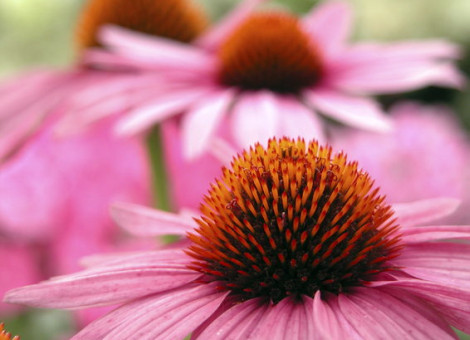
Echinacea Revelations

Echinacea is widely known as an immune boosting herb that is used at the onset of cold and influenza infections. But, if you’re only using it when your nose starts to “run” and throat gets scratchy, you’re missing out. According to a new publication in the Journal of Biomedicine and Biotechnology, in addition to Echinacea’s immune-modulating activity, this traditional Native American treasure also possesses antioxidant and antimicrobial properties which may address conditions ranging from fungal and parasitic infections to poor wound healing.


A current study in the journal Evidence-Based Complementary and Alternative Medicine indicates that Echinacea is, in fact, useful in protecting against upper respiratory infections. In the trial, 175 adult travelers were asked to take an Echinacea root extract (standardized to 4.4 mg alkylamides/day) or a placebo for up to 9 weeks. The study participants were given the respective treatments beginning two-weeks prior to travel and continuing until the end of their flight exposure. They were then surveyed before, immediately after and 4 weeks after their airplane travel. Those receiving the Echinacea extract demonstrated “lower respiratory symptom scores” than the placebo group. The specific findings reveal that, the Echicacea users were approximately 50% less likely to experience severe respiratory symptoms that would necessitate medical treatment. The authors of this double blind, randomized trial concluded that, “Supplementation with standardized Echinacea tablets, if taken before and during travel, may have preventive effects against the development of respiratory symptoms during travel involving long-haul flights”.

Colds and flus aside, the next chapter in the book of echinacea may well focus on a decidedly unexpected bodily organ: the skin. Scientists are particularly interested in the potential of Echinacea for: a) controlling the growth of bacteria associated with acne; b) protecting against nerve damage induced by excessive sun exposure; c) use as an adjunct to the conventional treatment of viral warts. In practical terms, this may mean that you’ll see more products on the market that include Echinacea in creams, lotions and oral supplements directed at consumers with viral conditions such as cutaneous warts.

To learn more about the studies referenced in today’s column, please click on the following links:

Study 1 – Applications of the Phytomedicine Echinacea Purpurea (link)

Study 2 - Randomized, Double Blind, Placebo-Controlled Trial of Echinacea (link)

Study 3 - The Potential Use of Echinacea in Acne: Control of Propionibacterium (link)

Study 4 - Neuroprotective Effects of a New Skin Care Formulation Following (link)

Study 5 - Oral Supplementation with a Nutraceutical Containing Echinacea (link)


Standardized Echinacea Extract May Reduce Travel-Related Illness

Source: Evid Based Complement Alternat Med. 2012;2012:417267. (link)

Wednesday, June 19, 2013

Herbal Rhodiola Extract Found to Increase Lifespan

Rhodiola rosea is now, according to recent research, becoming more widely accepted in the U.S. as a powerful anti-aging, anti-stress formula. In today's culture with stress coming from every direction, this comes as good news and a possible natural stress-relief treatment.

The herbal extract of a yellow-flowered mountain plant indigenous to the Arctic regions of Europe and Asia increased the lifespan of fruit fly populations, according to a University of California, Irvine study.

Flies that ate a diet rich with Rhodiola rosea, an herbal supplement long used for its purported stress-relief effects, lived an average of 10 percent longer than fly groups that didn't eat the herb. Study results appear in the online education news release from the University of California, Irvine

"Although this study does not present clinical evidence that Rhodiola can extend human life, the finding that it does extend the lifespan of a model organism, combined with its known health benefits in humans, make this herb a promising candidate for further anti-aging research," said Mahtab Jafari, a professor of pharmaceutical sciences and study leader. "Our results reveal that Rhodiola is worthy of continued study, and we are now investigating why this herb works to increase lifespan."

In their study, the UC Irvine researchers fed adult fruit fly populations diets supplemented at different dose levels with four herbs known for their anti-aging properties. The herbs were mixed into a yeast paste, which adult flies ate for the duration of their lives. Three of the herbs – known by their Chinese names as Lu Duo Wei, Bu Zhong Yi Qi Tang and San Zhi Pian – had no effect on fruit fly longevity, while Rhodiola was found to significantly reduce mortality. On average, Rhodiola increased survival for 3.5 days in males and 3.2 days in females.

Rhodiola rosea, also known as the golden root, grows in cold climates at high altitudes and has been used by Scandinavians and Russians for centuries for its anti-stress qualities. The herb is thought to have anti-oxidative properties and has been widely studied.

Soviet researchers have been studying Rhodiola since the 1940s on athletes and cosmonauts, finding that the herb boosts the body's response to stress. And earlier this year, a Nordic Journal of Psychiatry study on people with mild-to-moderate depression showed that patients taking a Rhodiola extract called SHR-5 reported fewer symptoms of depression than did those who took a placebo.

Jafari said she is evaluating the molecular mechanism of Rhodiola by measuring its impact on energy metabolism, oxidative stress and anti-oxidant defenses in fruit flies. She is also beginning studies in mice and in mouse and human cell cultures. These latter studies should help understand the benefits of Rhodiola seen in human trials.

Past Herbal Uses of Rhodiola Rosea as a Treatment for Depression by Herbalist

Rhodiola rosea is classified as an adaptogen herb, which means it increase the body's ability to cope with internal and external stress factors, and normalize the functions of the organism. Adaptogen herbs help maintain the stable internal environment inside the organism known as homeostasis.

Russia has used Rhodiola rosea for years to enhance mental and physical performance. It has been widely used by Russian athletes and cosmonauts to increase energy. In addition, Russian medicine has also traditionally given Rhodiola rosea to its soldiers, sportsmen and aging political leaders as an effective anti-aging medicine. Rhodiola rosea helped them to improve cognitive functions and physical performance.

Rhodiola rosea also has extraordinary pharmacological properties as an anti-depressive agent. The anti-depressive and anti-stress activity of Rhodiola rosea is higher than that of St. John's Wort, Ginkgo biloba and Panax Ginseng.

In another clinical trial, 150 individuals suffering from depression took Rhodiola rosea extracts for a period of one month. At the end of that period, two-thirds of them had full remission of clinical manifestations of depression, and had become more active and more sociable. Daytime weakness and general weakness disappeared.

Rhodiola rosea has also been recommended for fatigue, catarrhal seasonal diseases, along with mental performance and to improve endurance. It increases bodily resistance to physical and mental overloads, and negative environmental effects.

Rhodiola is cardio-protective, normalizing the heart rate immediately after intense exercise. It improves the nervous system and mental functions such as memory, by increasing blood-supply to the muscles and brain, and it also increases protein synthesis.

Russian research has emphasized that Rhodiola rosea extracts have rejuvenative properties due to their ability to raise the efficiency of the intra-cell DNA repair mechanisms.

Sources:

University of California - Irvine
(http://today.uci.edu/news/release_detail.asp?key=1701)
Jeffrey Felgner, Irvin Bussel, Anthony Hutchili, Behnood Khodayari, Michael Rose and Laurence Mueller of UC Irvine participated in the study. Sun Ten Inc. provided the herbs.

RHODIOLA ROSEA (Russian Rhodiola, Golden root)
Anti-Aging Medicine of 21st Century
(http://www.anti-aging-guide.com/RhodiolaRosea.html)

Most Recommended Rhodiola Products:

Life Extension, Rhodiola Extract, 250 mg, 60 Veggie Caps

Planetary Herbals, Rhodiola Rosea Extract, Full Spectrum, 327 mg, 60 Tablets